
Sparks forthat your learners make to keep.
Playful engineering kits for Pre-K through 8th grade.
“FutureMakers brings meaningful, hands-on STEAM learning to the classroom. The challenges they produce allow students to create and iterate in many different ways. They are not a ‘one size fits all’ but allow students to make on their own terms. The support they provide teachers gives them the confidence to get messy and take risks with their students.”
Schools, libraries and makerspaces have trusted Sparks for classroom, event and take-and-make initiatives since 2020.
Schools, libraries and makerspaces that have bought Sparks include Baltimore City Public Schools, Jefferson County Public Schools, Baltimore County Public Schools, Nashua School District, Anne Arundel County Public Schools, DC Public Schools, Howard County Public Schools, Fluxspace, Prince George's County Public Schools, Flint Hill School, Montgomery College, Lowell School, The Siena School, Cambridge Public Library, KIPP Baltimore, DC Public Library, St. Casimir Catholic School, Sheridan School, Baltimore County Public Library, Mundo Verde School, Anne Arundel County Public Library, Darien Library, Charles County Public Library and Arts for Learning Maryland.


What makers get from a Spark
- Their own kit. Every learner gets their own bag with everything they need, so nobody waits on a shared bin.
- A question to answer. Every Spark asks “How could I?”, like how could I make a creature that moves? Learners build, test and change their own version.
- Something that works, to keep. What a learner makes really works, and it goes home to keep playing with.
Sparks fit makerspaces of all types
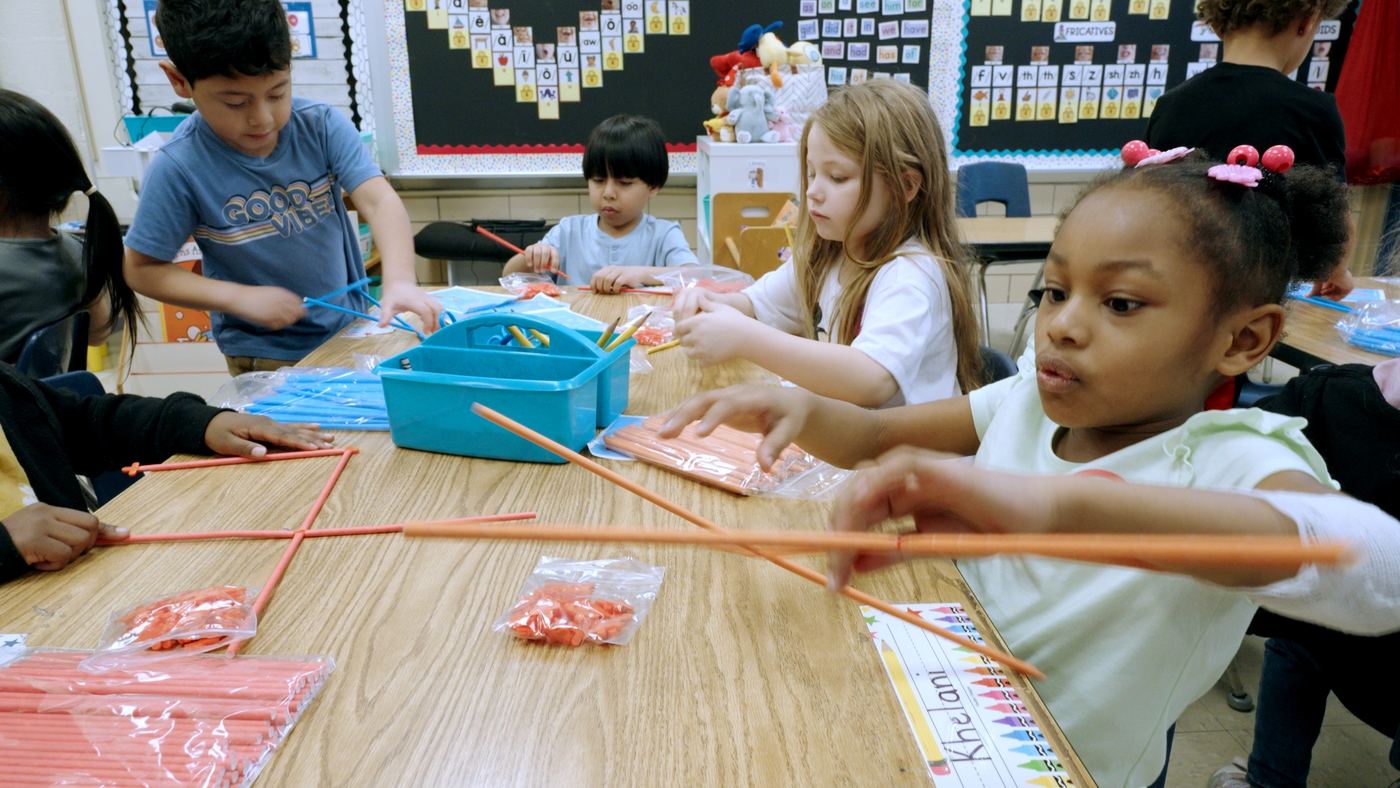
Class period
Whole-class challenges
Every learner opens their own kit at the same time, and one Spark fills a 20 to 60 minute class.
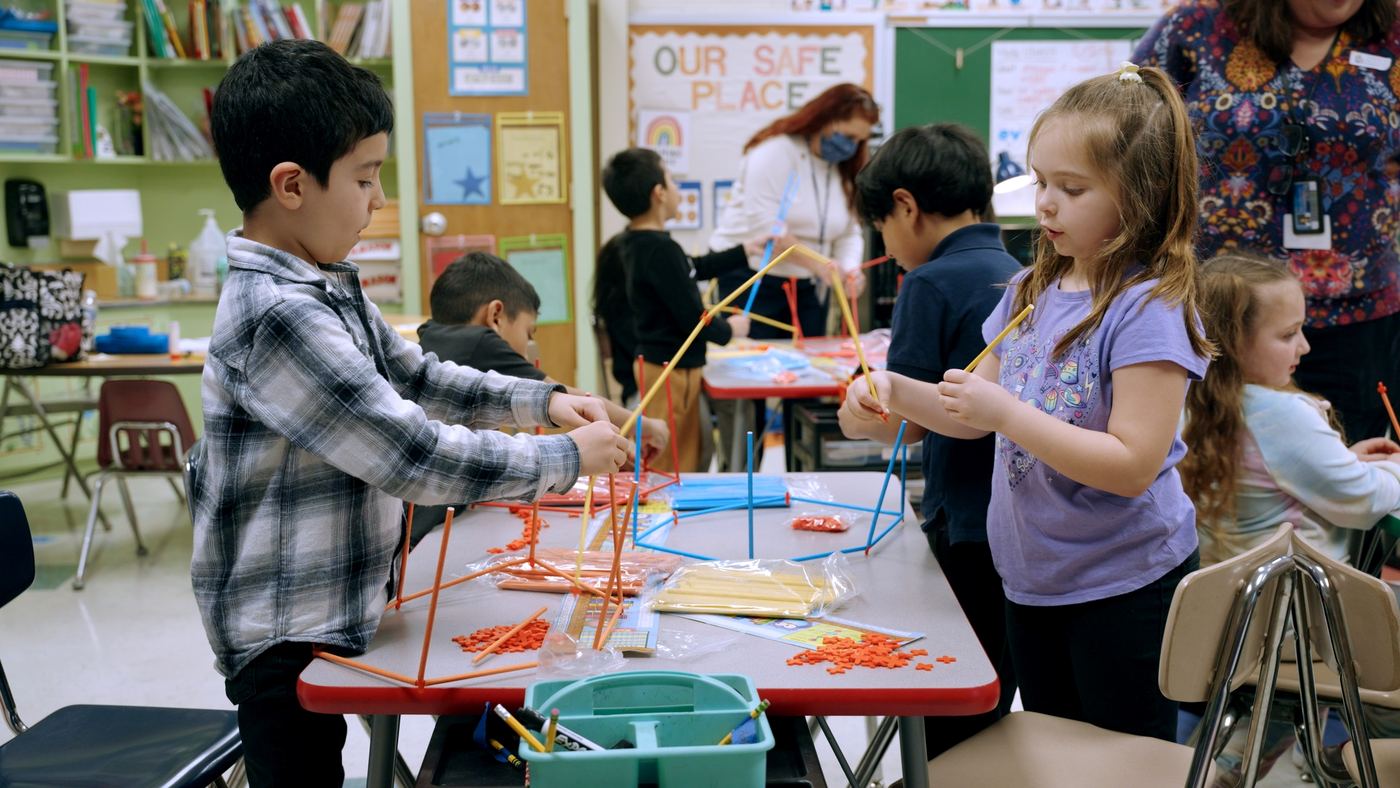
Open studio
Stations and drop-in time
A Spark runs 10 to 25 minutes at a station, so makers can rotate through or drop in.
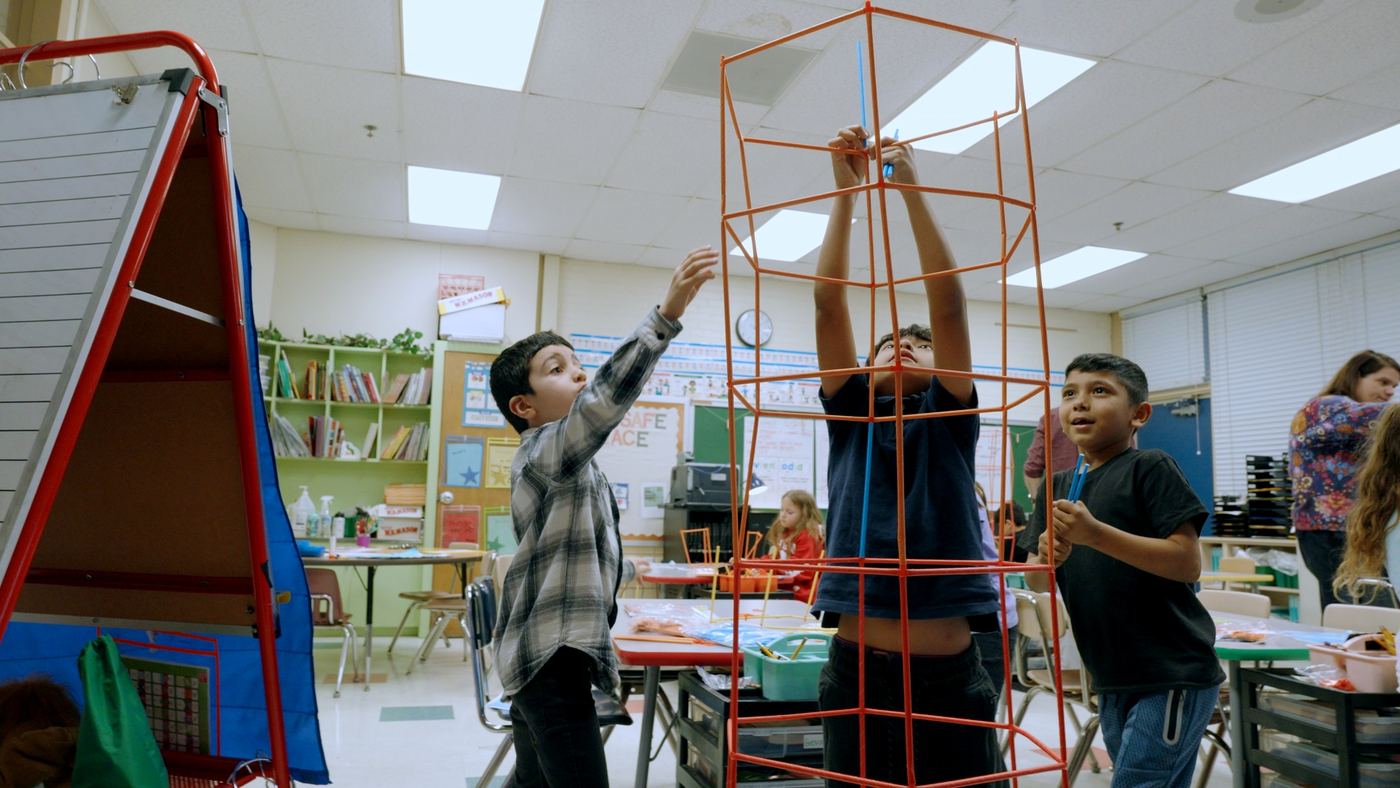
Maker club
Clubs that go further
Extension challenges, Spark components and free print files keep makers designing past the first project.
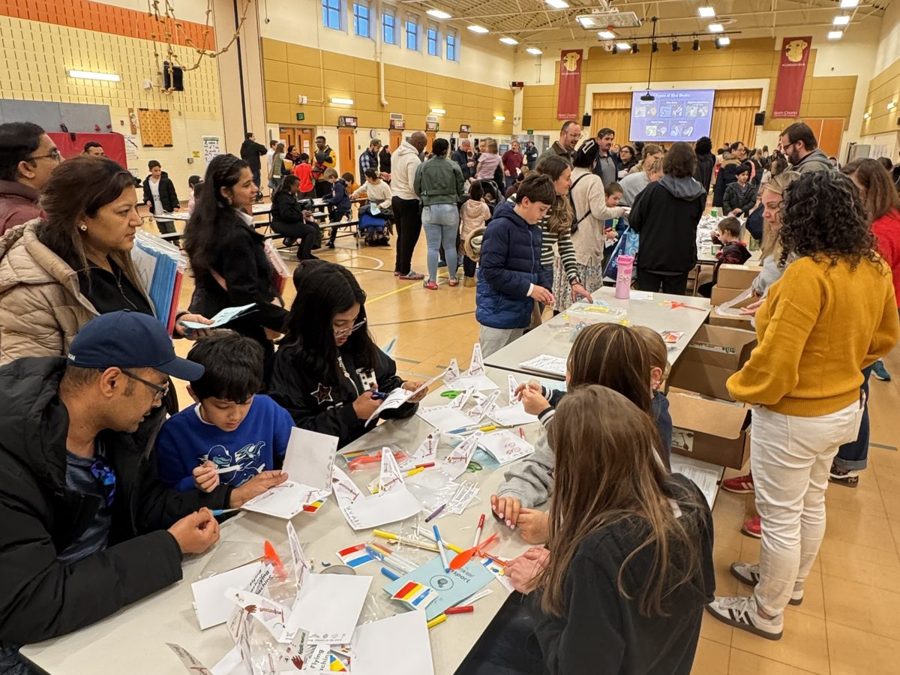
Maker night
Maker nights and fairs
Set Sparks out as stations and families make side by side.
Free print and laser files for your makerspace
Have a 3D printer or a laser cutter? Pick the files you want, tell us a little about your learners, and we’ll email you a download link for each one.
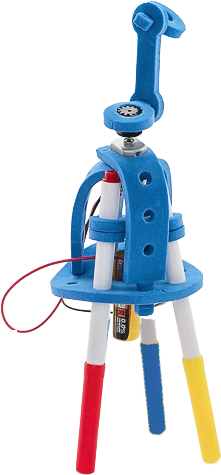
 Servo Install KitEverything for adding a servo to your Sparks projects: motor clips, a raised holder and punches, laid out on one plate and ready to print.
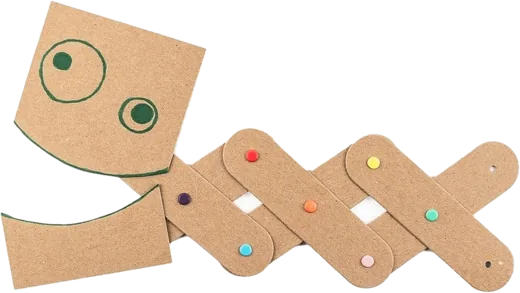
 Large ConnectorA four-way connector for straw structures. One small print, 34.7 x 34.7 x 6.5 mm, set up for a Bambu Lab printer.
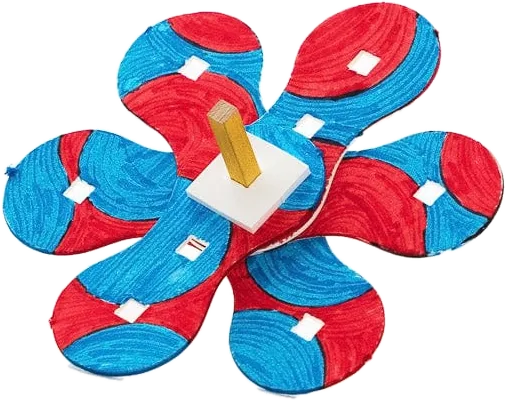
 Gear WheelA gear wheel for the Electric Vehicle Spark. 44 x 44 x 10 mm, printed with no top or bottom so the infill shows, set up for a Bambu Lab printer.
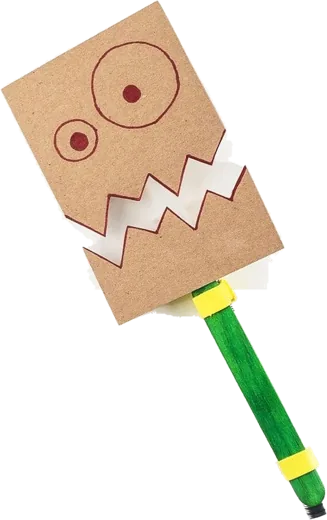
 Monster Claw Cardboard LeversThe cut template for the cardboard Monster Claw, as a PDF for your laser cutter. Add a pneumatic kit to make it grab.
We’ve been maker educators since before that was a thing
FutureMakers started in Baltimore in 2011 as a mobile workshop. For years we led every program ourselves, side by side with young people and their teachers.
That time taught us what works. Every learner needs their own materials. The project has to really work. And the adult leading it needs to feel ready. In 2020 we started making Sparks so more groups could do what we used to bring in person, and we still design, test and pack every one in Baltimore.
Packs and themed bundles for any makerspace
 Library Makerspace Small Group Bundle$119.00
 Library Makerspace Bulk Bundle$210.00
 Motorized Machine Small Group Bundle$208.50
 Motorized Machine Bulk Bundle$366.00
 Wind-Up Small Group Bundle$188.50
 Wind-Up Bulk Bundle$332.00
 Optical Illusion Small Group Bundle$208.50
 Optical Illusion Bulk Bundle$366.00
 Art Club Small Group Bundle$208.50
 Art Club Bulk Bundle$366.00
 Mini Maker Small Group Bundle$199.40
 Mini Maker Bulk Bundle$349.00
Components for makerspaces on the move
 Colossal Building Tube Pack$9.95
 Foam Gravity Maze Components$24.95
 Die-Cut Gravity Maze Boards$19.95
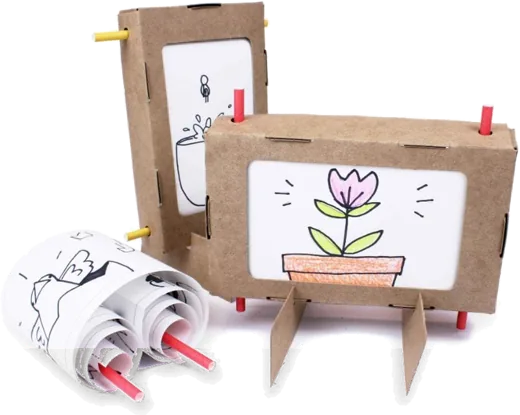
 Crankie Scroll Sheet Refill Pack$9.95
 Jumbo Straw Connector Pack$12.95
 Blendie Board Pack$9.95
 Cardboard Connectors Pack$9.95
 Simple Lever Pack$9.95
 Linkage Levers & Shapes Pack$22.95
 Pneumatic Class Pack$49.95
 Vibrating Motor Class Pack$49.95
Packed for one maker, a group of 10, or a class of 25.


Need a purchase order? The quote builder makes a PDF quote in about two minutes, and tax-exempt purchases are accepted.
Questions
How makerspaces use Sparks
8 questions
Are Sparks one-and-done kits, or can makers keep going?
Both. Every learner makes their own working project and takes it home. To keep going, the Spark Components collection sells the materials on their own, like straw connectors, building tubes, linkage levers, cardboard connectors, pistons and vibrating motors, so makers can design something new with them.
How open-ended is a Spark?
Every Spark starts from the same base project, then the guide pushes learners to make it their own once it works. The Art Machines guide tells the leader to “let creativity lead,” so two finished creatures rarely look alike, and Blendies gives older learners a choice board for their own symmetry pattern. A Spark is more structured than open studio time, since every learner follows the same steps to get a working mechanism. From there, the piece is theirs.
What fits a single 45-minute class period?
Start with a Spark that lists 30 to 45 minutes, like Blendies, Eyelusions or Strawbots. Drawbots lists 45 to 60 minutes, so it fills a full period. Straw Structures lists 30 to 60 minutes and may run longer than one period.
Our makerspace sees each class once a week. Does that work?
Yes. Most Sparks finish in a single sitting, which fits a once-a-week rotation. For a project that carries across visits, some Sparks include a multi-week extension, like the Linkages multi-session design project or the Straw Structures “Mega Structure” challenge, which joins several learners’ finished structures into one.
How do I reset the room between back-to-back classes?
Every learner works from their own bag, so there is no shared bin to sort. Straw Structures comes in its own reusable, reclosable bag: learners fit their straws and connectors back in at the end of the period, and the same bag comes back out for the next class. A bent straw isn’t waste; the guide says to trim it and reuse it as a cross-brace. Leave a few minutes at the end of each period for packing up.
Can learners run a Spark station themselves?
Yes, once a small group has made the project ahead of time and walked through the learner-led coaching guide. An adult stays nearby for setup and troubleshooting, but isn’t the one demonstrating.
We have micro:bits and a 3D printer. Is there anything for us?
Yes. Our blog shows a Scene Machines scene motorized with a Birdbrain Hummingbird board and a BBC micro:bit, using servo mounts and connectors you print yourself. The post gives the steps and the free print files: Maker Education Robotic Linkages with Servos. It is an extension for a makerspace with basic electronics on hand, not a change to the kit. Our free downloads also include a Servo Install Kit, a straw connector and a gear wheel ready to print, plus a Monster Claw template for a laser cutter.
Weren’t Sparks part of a makerspace cart?
Libraries know Sparks through Demco’s Makerspace Cart, which featured components and projects made with Sparks. Demco discontinued the cart in September 2026, and we’d love to find Sparks a new library home.
Leading a Spark
4 questions
Do I need a STEM background to lead one?
No. Any adult can lead a Spark. Each one has a step-by-step visual guide, and a free educator account adds a coaching video and slide deck, all at coach-with-sparks. Teachers, librarians, camp staff, parents and volunteers all lead Sparks. Plan one practice run before your first session.
How much prep does a Spark take?
A few minutes for most Sparks, not hours. Straw Structures needs only scissors and a ruler. Drawbots needs a little more: pre-stretch the rubber band and have a projector ready for the slides. Each Spark’s prep list is on its guide at coach-with-sparks, and we recommend making one yourself first.
Can one adult lead a full class?
Yes. Every learner has their own bag, so everyone works at the same time instead of waiting on shared materials. The visual, numbered guide lets a substitute, aide or volunteer lead from the printed steps. Your school’s own rules still set the supervision ratio for the room.
How do I run one Spark for a room of different ages?
Pick a Spark whose guide splits by grade band, like Straw Structures or Mazes. Straw Structures has bands for Pre-K through Kindergarten, 1st through 3rd, and 4th through 8th, so younger learners finish the base project while older learners move into the extensions.
Standards and growth
3 questions
Which NGSS engineering standards do Sparks carry?
Every guide lists the NGSS and Common Core standards it supports. K-2-ETS1-2 (develop a simple sketch, drawing or physical model) appears on 14 of the 17 Sparks. Straw Structures and Art Machines both list 3-5-ETS1-3 (plan and carry out fair tests), Crankie Contraptions adds 3-5-ETS1-2 (generate and compare multiple solutions), and Crankie Contraptions carries MS-ETS1-2 and MS-ETS1-4 through grade 8.
What does teamwork look like if every learner has their own kit?
Right after each learner finishes, several Sparks add a team challenge. Straw Structures moves from a solo project to partner and team challenges like “reach the ceiling” and “fit people inside,” which means negotiating whose idea wins. Wind-Up Vehicles has a challenge where every vehicle in the room locks into one giant rolling machine.
What happens when a learner’s project doesn’t work the first time?
The guide points them to a troubleshooting step, so the fix comes from them, not an adult. The Wind-Up Vehicles guide says up front that “it’s totally okay to try something that doesn’t work,” and treats a vehicle rolling backward as something to fix. The learner ends the session with a project that works.
Buying for a school or district
6 questions
Can we pay with a purchase order or buy tax-exempt?
Yes. The quote builder makes a PDF quote in about two minutes with Net 30 terms, so your business office can cut a PO against it. Paying by card, purchasing card or ACH on a quote takes 5 percent off. For a tax-exempt quote, check “Our organization is tax-exempt” and enter your tax ID. To buy tax-exempt in the store, create a free account and submit your tax ID with a tax-exempt certificate.
How much does a Spark cost per learner?
The bundles and components above show what they cost today, and every Small Group Pack and Class Pack is priced in the shop. A Class Pack of 25 costs less per learner than a Small Group Pack of 10, and both cost less per learner than a Single Spark.
Can I buy fewer than 10 of a Spark?
Yes. A Single Spark is sold one at a time in the Single Spark Packs collection, with no minimum.
Can a district order for every school’s makerspace at once?
Yes. Districts have bought Sparks as one district-level order instead of school by school. The quote builder has a 100 to 300 learner tier and a 300-plus multi-site tier for exactly this.
Can a grant pay for Sparks?
Yes. Arts-integration grants have funded Sparks purchases at Baltimore-area schools, and state arts council grants have funded Art Machines kits for elementary schools. That is a different pot of money than a classroom’s own supply budget.
Can we try a Spark before we buy?
Yes. Request a free sample, name the Spark you want to test, and try it with one group. If it works, the same Spark scales up through the quote builder.